
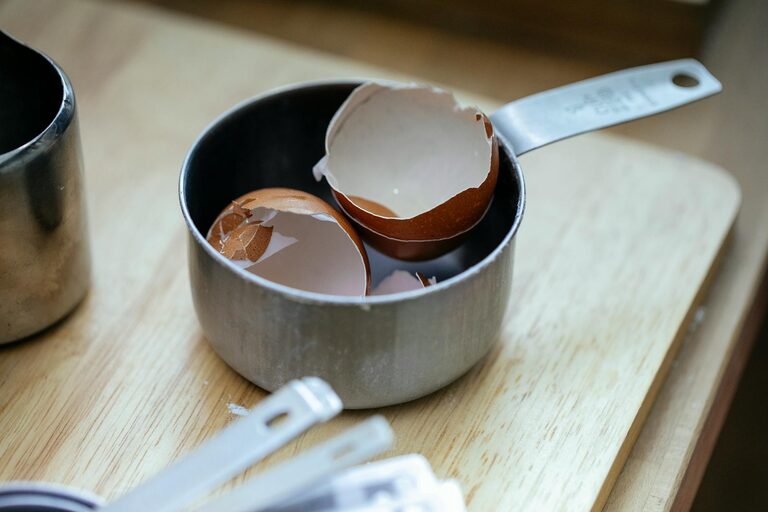
Reducing food waste at home is a simple yet impactful way to save money, conserve resources, and help the environment. Each year, millions of tons of food end up in landfills, contributing to greenhouse gas emissions and wasting the effort that went into producing it. Fortunately, by making small changes in how you shop, store, and use food, you can significantly cut down on waste.
In this post, we’ll explore practical strategies you can implement today to reduce food waste in your household.
Understand Why Food Gets Wasted
Before diving into tips, it’s helpful to understand a few common reasons why food is wasted at home:
– Overbuying: Purchasing more than you can consume leads to unused items spoiling.
– Poor storage: Food that isn’t stored properly loses freshness faster.
– Confusing dates: Misinterpreting “sell by” or “best before” dates may cause good food to be thrown away prematurely.
– Meal planning challenges: Without a plan, it’s easy to cook too much or forget leftovers.
– Lack of creativity: Not knowing how to repurpose leftovers can result in unnecessary waste.
Knowing these factors can help you develop targeted habits to prevent waste.
Plan Your Meals and Shopping List
Meal planning is the cornerstone of reducing food waste. Here’s how to get started:
Create Weekly Meal Plans
Take a few minutes each week to decide what you’ll cook for breakfast, lunch, and dinner. Consider how many people will be eating and portion sizes. This prevents impulse buying and cooks exactly what you need.
Use a Shopping List
Write down only the items needed for your planned meals. Stick to the list when shopping to avoid purchasing items that might go unused.
Shop Smart
– Buy loose fruits and vegetables instead of pre-packaged amounts to control quantities.
– Choose frozen or canned items for ingredients you won’t use right away, as they last longer.
– Avoid bulk buys unless you’re confident they’ll be used before spoiling.
Store Food Properly
Proper storage extends your food’s shelf life and helps maintain quality.
Understand Storage Needs
– Keep fruits and vegetables separate where possible; some produce emits ethylene gas that speeds ripening.
– Store leafy greens and herbs wrapped in paper towels inside perforated plastic bags.
– Keep bread in a cool, dry place or freeze it if you won’t consume it soon.
– Use airtight containers for leftovers to maintain freshness.
Label and Organize
Mark containers and packages with dates so you know when items were stored. Organize your fridge and pantry by placing older items upfront and newly purchased foods at the back to encourage first-in, first-out usage.
Use Leftovers Creatively
Instead of discarding leftovers, consider these options:
– Incorporate into new dishes: Leftover vegetables can become soups or stir-fries; stale bread can be turned into croutons.
– Freeze for later: Portion leftovers into meal-sized containers and freeze if you can’t eat them soon.
– Repurpose food scraps: Vegetable peels can be used to make broth; overripe fruits can be transformed into smoothies or baked goods.
Monitor Portions and Serve Wisely
Serve smaller portions to avoid uneaten food on plates. You can always offer seconds if everyone is still hungry.
Regularly Check Your Inventory
Periodically go through your fridge and pantry to identify items that are nearing expiration. Use these items first in meals to minimize spoilage.
Compost Food Scraps
For food that truly can’t be eaten, consider composting instead of throwing it into the trash. Composting turns organic waste into nutrient-rich soil, reducing landfill contribution and closing the food cycle loop.
Educate and Involve Household Members
Make food waste reduction a shared commitment. Discuss goals and encourage all family members to participate in planning, storing, and using food wisely.
Benefits of Reducing Food Waste
– Saves money by making groceries go further.
– Reduces environmental impact from food production and waste.
– Promotes healthier eating by encouraging home-cooked meals and mindful consumption.
—
By following these simple steps, you can make a meaningful difference in reducing food waste at home. Start with small changes, track your progress, and enjoy the benefits of a more efficient, eco-friendly kitchen.