
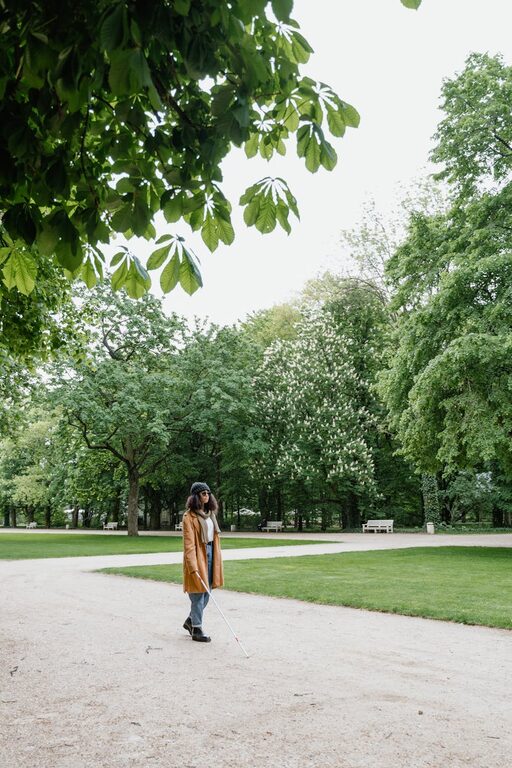
Mindful walking is a simple yet powerful practice that combines the natural benefits of walking with the calming effects of mindfulness. It’s an accessible way to bring more awareness, peace, and presence into your daily routine. Whether you enjoy a stroll in the park, a walk to work, or simply moving around your home, mindful walking can deepen your connection to the present moment.
In this beginner guide, we’ll explore what mindful walking is, why it’s beneficial, and how you can start practicing it right away.
What is Mindful Walking?
Mindful walking is walking with full attention on the experience of each step and movement. Instead of walking on “autopilot,” you engage your senses and focus on the sensations of your body, your breath, and the environment around you. This practice is rooted in mindfulness meditation, which encourages being fully present without judgment.
Unlike exercise walking aimed at fitness goals, mindful walking emphasizes awareness and relaxation. It’s about feeling your feet on the ground, noticing your breath, and observing your surroundings with openness.
Benefits of Mindful Walking
Mindful walking offers many mental, emotional, and physical benefits:
– Reduces Stress and Anxiety: Paying attention to your breath and steps can calm your nervous system and decrease worry.
– Improves Focus: Regular practice sharpens concentration and helps break the habit of distracted thinking.
– Boosts Mood: Being present and noticing details in your environment can enhance feelings of gratitude and happiness.
– Promotes Physical Health: Walking gently exercises the body, improves circulation, and encourages healthy posture.
– Supports Mind-Body Connection: Awareness of movement links your mental state to physical sensations, building self-awareness.
How to Practice Mindful Walking for Beginners
Starting with mindful walking doesn’t require special equipment or a lot of time. Here’s a step-by-step approach to get you going:
1. Choose Your Walking Space
Find a quiet, safe place where you can walk without interruptions. This could be a park, a quiet street, your backyard, or even indoors if space allows. Having a consistent place can help build routine.
2. Wear Comfortable Shoes
Wear shoes that make walking easy and comfortable. Soft, supportive footwear helps you feel each step without discomfort.
3. Begin with Intention
Before you start walking, take a moment to set an intention for your practice. It could be to relax, to be present, or simply to enjoy the experience. This helps create mindful focus.
4. Stand Still and Breathe
Start by standing still with feet hip-width apart. Take three to five slow, deep breaths. Notice the sensation of the air entering and leaving your lungs.
5. Start Walking Slowly
Walk at a slower pace than usual. This allows you to pay more attention to the movement of your body.
6. Notice Your Feet and Legs
Focus on the feeling of your feet touching the ground. Notice how your weight shifts from heel to toe. Observe the muscles in your legs working.
7. Engage Your Senses
Look around you and take in sights, sounds, smells, and textures without judgment. Perhaps you see leaves rustling, hear birds chirping, or feel the breeze on your skin.
8. Coordinate With Your Breath
If it feels comfortable, coordinate your walking pace with your breathing. For example, take three steps while breathing in and another three steps while breathing out.
9. Gently Redirect Your Attention
Your mind will wander — this is natural. When you notice, gently bring your attention back to the sensations of walking and breathing.
10. Finish with Gratitude
When you finish your mindful walk, stand still again for a few breaths. Express gratitude for this moment and your practice.
Tips for a Successful Practice
– Start Small: Try 5 to 10 minutes at first and gradually increase.
– Practice Regularly: Consistency helps deepen mindfulness.
– Be Patient and Gentle: Mindful walking is not about doing it perfectly, but about being kind to yourself.
– Use Guided Resources: Audio apps or videos on mindful walking can offer helpful guidance.
– Combine with Other Mindfulness Practices: Try mindful breathing or body scans on rest days.
Mindful Walking Variations to Explore
Once you’re comfortable, you can experiment with different ways to enhance your mindful walking experience:
– Nature Walks: Focus on trees, flowers, sky, and natural sounds.
– Walking Meditation: Blend walking with a formal meditation focus on awareness.
– Gratitude Walks: Mentally note things you appreciate during your walk.
– Walking Journals: After walking, record your observations or feelings.
– Mindful Group Walks: Practice with friends or community groups for shared support.
Common Challenges and How to Overcome Them
Feeling Restless or Impatient
It’s normal to feel restless. Try shorter walks or remind yourself this is a practice of observation, not accomplishment.
Distracting Thoughts
Instead of fighting thoughts, acknowledge them and kindly return your focus to walking.
Lack of Time
Even one or two minutes of mindful walking can be beneficial. Find moments between daily tasks to practice.
Conclusion
Mindful walking is a welcoming, easy-to-start practice offering many benefits to your mental and physical well-being. By simply paying attention to your steps, breath, and surroundings, you can cultivate calm and present-moment awareness every day. Try incorporating mindful walking into your routine and notice how your relationship with movement and mindfulness deepens over time.
Remember, there is no “right” way to do this—just the way that feels right for you. Happy walking!
—
Feel free to share your mindful walking experiences or questions in the comments below!