
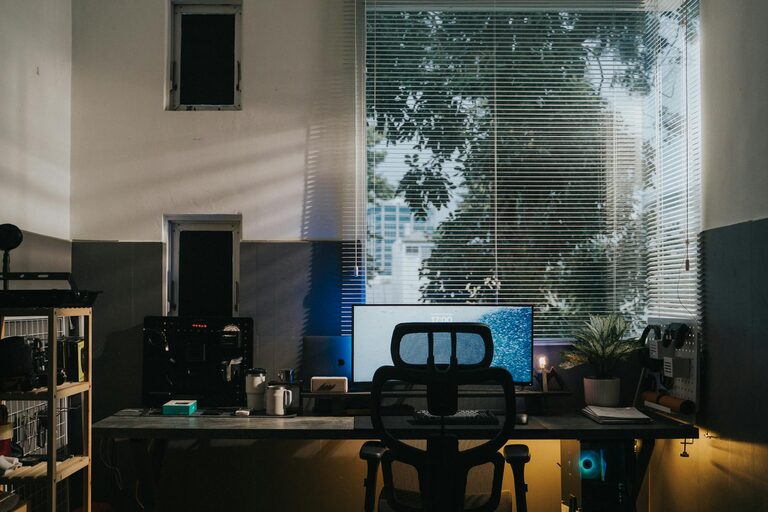
Creating a workspace that promotes both focus and comfort can make a significant difference in your productivity and overall work experience. Whether you work from home or spend hours at a desk in an office, having the right setup helps reduce fatigue, improve posture, and keep distractions at bay. In this post, we’ll explore practical desk setup tips you can apply right now for a more enjoyable and efficient workspace.
Why Your Desk Setup Matters
Your workspace affects not only how you feel throughout the day but also how well you perform your tasks. Poor ergonomics can lead to discomfort, headaches, or even long-term health issues like back pain. Meanwhile, an organized, well-thought-out desk can help you maintain focus, minimize distractions, and streamline your workflow.
The goal is to create a balance—comfort supports your physical well-being, while an efficient, clutter-free environment supports mental clarity.
Choosing the Right Desk and Chair
Select an Ergonomic Chair
Your chair is one of the most important investments for desk comfort. Look for adjustable features including seat height, lumbar support, and armrests. A chair that supports your lower back and allows your feet to rest flat on the floor reduces strain.
Tips:
– Adjust the chair height so your knees are at roughly a 90-degree angle.
– Keep your back against the chair for proper support.
– Use a cushion or lumbar pillow if extra lower back support is needed.
Desk Height and Size
Aim for a desk height that lets your forearms rest comfortably parallel to the floor when typing or writing. Standard desk heights range from 28 to 30 inches, but adjustable desks or standing desks offer more flexibility.
Consider your work materials; if you often spread out papers, a larger surface might be necessary. Also, under-desk clearance is important so your legs aren’t cramped.
Position Your Monitor for Optimal Viewing
Eye strain and neck pain often result from poor monitor placement. Position your screen directly in front of you about an arm’s length away. The top of the monitor should be at or slightly below eye level, allowing your neck to stay neutral rather than tilted up or down.
If you use multiple monitors, arrange them so your primary screen is centered, and the secondary screen(s) are angled towards you to reduce turning.
Lighting That Supports Focus
Proper lighting reduces eye strain and keeps you alert. Natural light is ideal, so place your desk near a window if possible. However, avoid glare either directly hitting your screen or in your eyes.
Layer your lighting:
– Ambient light: General overhead light bright enough to illuminate the room.
– Task light: Adjustable desk lamp for focused work, such as reading or detailed tasks.
– Accent lighting: Optional mood lighting for a calming effect.
Use warm or neutral white bulbs as cooler lights may feel harsh over long periods.
Keep Your Desk Organized
Clutter can distract and slow you down. Adopt organization strategies like:
– Minimal essentials: Only keep the items you use daily on your desk.
– Storage solutions: Use drawers, shelf organizers, or containers to keep supplies tidy.
– Cable management: Use clips or sleeves to reduce tangled cords.
– Daily reset: Spend a few minutes at the end of each day tidying your workspace.
An organized desk not only looks inviting but helps maintain focus by minimizing distractions.
Add Personal Touches Wisely
Personalizing your workspace can boost motivation and comfort. Consider adding:
– A small plant for a touch of nature and stress reduction.
– A photo or a piece of art that inspires you.
– Comfortable accessories like a wrist rest or anti-fatigue mat (for standing desks).
However, avoid overdecorating—too many items can lead to distraction.
Take Breaks and Move
Even with a perfect desk setup, sitting all day is not ideal. Remember to:
– Stand or stretch at least once every hour.
– Use a sit-stand desk if possible to alternate postures.
– Incorporate small movement breaks to refresh your mind and reduce tension.
Final Thoughts
Creating a desk setup that supports both focus and comfort is about combining ergonomic furniture, thoughtful lighting, organized space, and personal touches. These adjustments can improve your work quality and well-being over time. Start with one or two changes and gradually build a workspace that truly works for you.
By keeping your environment comfortable and distraction-free, you open the door to better concentration, productivity, and satisfaction during your workday. Give these tips a try and notice the difference a great desk setup makes!