
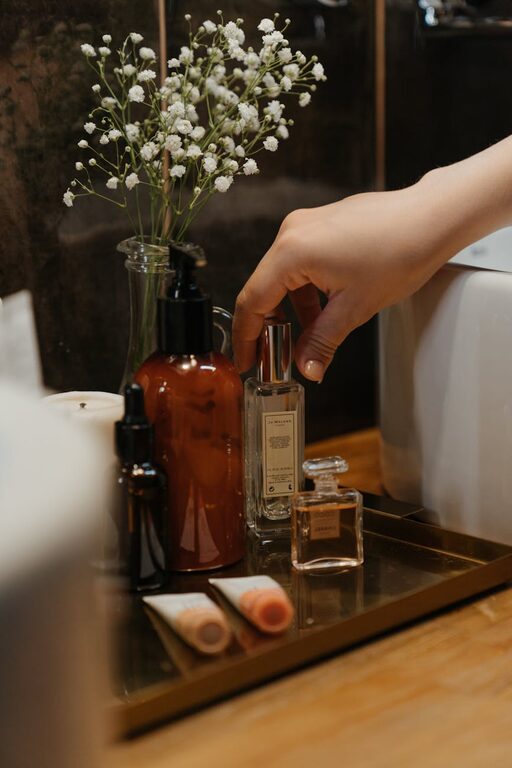
Creating a minimalist bathroom setup is a wonderful way to transform your space into a calm and refreshing sanctuary. Minimalism focuses on simplicity, functionality, and clean aesthetics, which can make even small bathrooms feel larger and more inviting. Whether you’re renovating or just want to refresh your current bathroom, this guide will help you achieve a minimalist look that’s both stylish and practical.
Why Choose a Minimalist Bathroom?
Before diving into the how-to, it’s helpful to understand what makes a bathroom minimalist. The core idea is to reduce clutter and focus on essential items with clean design. This approach helps create:
– A more spacious feel, even in compact bathrooms
– Easier cleaning and maintenance
– A calming environment free from visual noise
– A timeless style that won’t quickly go out of fashion
Minimalism isn’t about having a sterile or cold space; instead, it’s about being intentional with design choices.
Step 1: Declutter Your Bathroom
The foundation of minimalism starts with decluttering. Here’s how you can begin:
– Clear out unused items: Remove expired products, duplicates, or things you rarely use.
– Limit countertop items: Choose only daily essentials to keep on the sink or vanity.
– Use storage smartly: Stash away extra toiletries, towels, and cleaning supplies in cabinets or baskets.
By decluttering, you’ll immediately notice your bathroom feels more organized and open.
Step 2: Choose a Neutral Color Palette
Minimalist bathrooms usually rely on neutral and soft color schemes. These colors create a soothing backdrop and make the space feel airy.
– Popular choices: White, light gray, beige, soft taupe, and muted pastels
– Walls and tiles: Opt for plain or subtle-patterned tiles to avoid visual clutter.
– Fixtures and fittings: Stick to classic whites or matt black for a modern touch.
A neutral palette also makes it easier to swap accents without major renovations.
Step 3: Select Simple and Functional Fixtures
When choosing bathroom fixtures, prioritize simplicity and function.
– Vanity: A floating or wall-mounted vanity with clean lines can open up floor space. Consider one with drawers to keep things out of sight.
– Sink: A streamlined basin or integrated sink-vanity works well.
– Faucets and showerheads: Opt for minimal shapes, like straight lines or gentle curves in matte or polished finishes.
– Toilet: A one-piece or wall-hung toilet provides a sleek appearance and simplifies cleaning.
Choosing quality fixtures with timeless designs will keep your bathroom looking fresh for years.
Step 4: Incorporate Clever Storage Solutions
Minimalism isn’t about lacking storage—it’s about hiding it smartly.
– Built-in niches: Recessed shelves in the shower or walls keep products organized and off countertops.
– Under-sink cabinets: Use organizers or pull-out baskets to maximize space.
– Wall-mounted shelves: Floating shelves made from wood or metal add subtle storage without bulk.
– Towel racks or hooks: Instead of large towel bars, install simple hooks or a compact rack.
Keeping storage streamlined prevents clutter while maintaining a minimalist look.
Step 5: Use Minimal and Meaningful Decor
Decorating a minimalist bathroom calls for restraint and intentionality.
– Plants: A small green plant adds life and color without overwhelming the space.
– Mirrors: Choose a plain, frameless mirror or one with a thin frame to reflect light and create openness.
– Textiles: Towels and bath mats in solid colors and natural fabrics keep things simple.
– Artwork: A single small print or photo in a slim frame can personalize the space subtly.
Remember, each decorative item should have a purpose or meaning; avoid crowding surfaces.
Step 6: Maintain Consistency in Materials and Textures
Consistency in materials helps your bathroom feel cohesive.
– Tiles: Stick to one or two types, such as matte porcelain or natural stone.
– Countertops: Use materials like quartz, concrete, or wood with a smooth finish.
– Accessories: Match soap dispensers, toothbrush holders, and trash cans with the overall style, ideally keeping them minimal and monochrome.
Combining different textures adds interest while staying within the minimalist framework.
Step 7: Focus on Lighting
Lighting is key to enhancing your minimalist bathroom’s calm ambiance.
– Natural light: Maximize natural light with sheer window treatments or frosted glass for privacy.
– Ambient lighting: Install ceiling lights or recessed fixtures for even illumination.
– Task lighting: Add focused lighting around mirrors for grooming and makeup.
– Accent lighting: Consider subtle LED strip lights under cabinets or niches for gentle highlights.
Clear, well-layered lighting completes the minimalist aesthetic and makes the space comfortable.
Final Tips for a Minimalist Bathroom
– Keep cleaning supplies tucked away: A clutter-free surface contributes most to a minimalist vibe.
– Regularly reassess: Minimalism requires ongoing effort to keep only what’s necessary.
– Choose quality over quantity: Invest in essentials that will last rather than many trendy items.
– Personalize tastefully: Minimalism doesn’t mean no personality; just keep accents simple and selective.
—
Minimalist bathrooms combine beauty and practicality in a way that invites relaxation and ease. By following these steps, you can create a bathroom that feels spacious, peaceful, and refreshing every time you step inside. Whether you’re starting fresh or updating your space, a minimalist approach is a great way to keep your bathroom both functional and stylish.
Enjoy the simplicity and serenity of your new minimalist bathroom!