
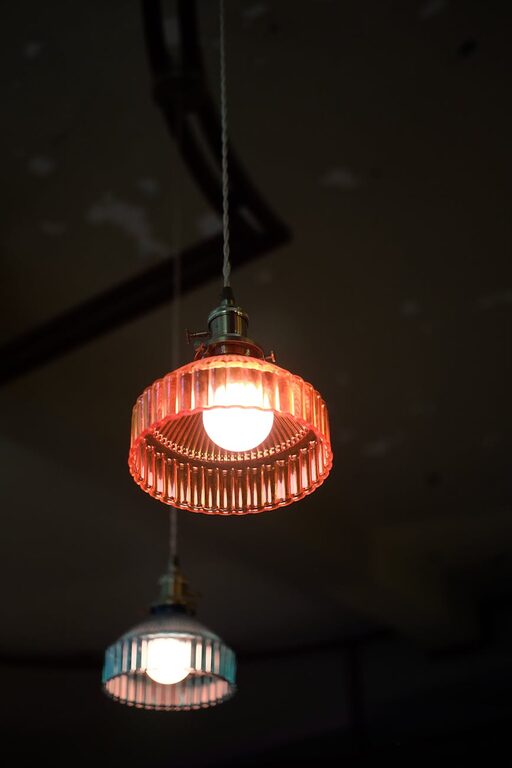
Creating a comfortable atmosphere in your home starts with the right lighting. Good lighting not only brightens your space but also affects your mood, productivity, and overall comfort. Whether you’re redesigning your living room, updating your bedroom, or making your kitchen more functional, selecting the perfect lighting can transform your environment.
In this post, we’ll explore practical tips for choosing comfortable home lighting that matches your style and meets your daily needs.
Why Comfortable Lighting Matters
Lighting impacts how you experience your space. Harsh or dim lighting can cause eye strain, headaches, and discomfort. On the other hand, well-chosen lighting contributes to relaxation, focus, and a welcoming vibe. Comfort in lighting involves the right balance of brightness, color, and placement.
Understanding Different Types of Lighting
Before diving into tips, it’s useful to know the three main types of lighting that work together to create a balanced environment:
1. Ambient Lighting
This is the general, overall light in a room. It can come from ceiling fixtures, chandeliers, or recessed lights. Ambient lighting provides uniform illumination and sets the tone for your space.
2. Task Lighting
Task lighting focuses on specific areas where activities take place, such as reading, cooking, or working. Examples include desk lamps, under-cabinet kitchen lights, and bedside lamps.
3. Accent Lighting
Accent lighting highlights particular features like artwork, architectural elements, or plants. Spotlights and wall-mounted fixtures are common for this purpose.
Tips for Choosing Comfortable Home Lighting
1. Consider Your Lighting Needs for Each Room
Each room has different lighting requirements based on its purpose.
– Living Room: Opt for warm ambient lighting with adjustable brightness. Add task lighting near reading spots.
– Kitchen: Bright, cool-toned task lighting is essential for cooking. Use under-cabinet lights to eliminate shadows.
– Bedroom: Choose soft, warm ambient lighting for relaxation plus bedside lamps for reading.
– Bathroom: Bright, clear task lighting around mirrors improves grooming accuracy.
2. Choose the Right Bulb Type
Your choice of bulbs impacts brightness, energy efficiency, and color temperature.
– LED bulbs: Energy-efficient, long-lasting, and available in various color temperatures.
– CFL bulbs: Less energy than incandescent but contain small amounts of mercury.
– Incandescent bulbs: Provide warm light but use more energy and have a shorter lifespan.
– Halogen bulbs: Bright but get hotter and consume more power.
Today, LED bulbs are generally the best option due to their efficiency and versatility.
3. Pay Attention to Color Temperature
Color temperature is measured in Kelvins (K) and affects the mood:
– Warm White (2700K-3000K): Creates a cozy, relaxing atmosphere. Best for living rooms and bedrooms.
– Neutral White (3500K-4100K): Balanced and natural, suitable for kitchens and work areas.
– Cool White (5000K-6500K): Bright, crisp light. Ideal for task lighting, bathrooms, and home offices.
4. Use Dimmers for Adjustable Brightness
Dimmers let you control light intensity according to your mood or activity. Installing dimmer switches can extend bulb life and save energy while giving you flexible lighting options.
5. Layer Your Lighting
Combine ambient, task, and accent lighting to add depth and comfort. Layering light sources allows you to adjust the scene easily and serves different functions throughout the day.
6. Choose Fixtures That Complement Your Style
Lighting fixtures are part of your décor. Whether you prefer modern, rustic, or classic styles, pick fixtures that enhance your aesthetic while being functional.
7. Avoid Glare and Shadows
Poorly placed lighting can cause uncomfortable glare or harsh shadows. To reduce these:
– Use lampshades that diffuse light.
– Position task lights so they don’t shine directly in your eyes.
– Combine indirect lighting with direct sources to soften shadows.
8. Think About Energy Efficiency and Sustainability
Select energy-efficient bulbs and fixtures to reduce electricity bills and environmental impact. LED lighting is a great sustainable choice.
9. Test Before Committing
If possible, try lighting samples in your space before buying multiple fixtures or bulbs. You can borrow bulbs or use smart bulbs that allow you to adjust color and brightness easily.
Practical Lighting Ideas for Comfortable Homes
– Use floor lamps with adjustable heads to direct light where you need it most.
– Install under-cabinet lighting in kitchens to create an even and bright workspace.
– Add wall sconces to hallways to softly brighten passage areas.
– Place table lamps near seating areas for reading or relaxing.
– Use smart lighting systems to control lights remotely and set automated schedules.
Final Thoughts
Choosing comfortable home lighting requires a blend of functionality, style, and mood. By understanding your space’s needs and selecting appropriate bulb types, fixtures, and layouts, you can create an inviting and practical environment that enhances your everyday life.
Experiment with layers, dimmers, and color temperatures to find the perfect combination that suits your lifestyle. With thoughtful lighting choices, your home can become a brighter and more enjoyable place to be.